Author

admin

Browsing

It’s been a busy week for Cracker Barrel Old Country Store’s marketing team.

The restaurant chain announced a rebrand and new logo last week, faced widespread criticism from social media users, including President Donald Trump, and proceeded to walk back its plan to change the logo.

In that span of time, the company lost and regained almost $100 million in market value, bringing it about back to where it started. The stock gained 8% on Wednesday.

The Cracker Barrel saga is just the latest example of a consumer-facing company making big branding decisions, then pulling back after alienating its customer base.

“It’s very tricky to be a brand for everyone today,” Carreen Winters, president of reputation at the global public relations firm MikeWorldWide, said in an interview. “Legacy brands are particularly tricky, because you have to figure out what is cherished and authentic from the old and marry it with the new.

“In Cracker Barrel’s case, they’re trying to attract a new, younger customer [which] is no longer sufficient,” she continued. “You need to actually think about all of your stakeholders and how they will react, respond, feel about what you’re doing or the direction you’re taking. And you need to be sure that what you’re doing is consistent with shared values.”

Rebranding failures are not a new phenomenon. One of the most famous marketing blunders of all time happened in 1985 when the Coca-Cola company introduced “New Coke” with a new formula. After a firestorm of outrage from its customers, the company returned to its classic formula a few months later.

But social media has made backlash from consumers faster and more widespread, meaning businesses are usually quicker to walk back on their branding failures.

In 2010, retailer Gap ditched its decades-old blue box logo for a more minimalist design. It faced intense backlash on social media through thousands of engagements and, within less than a week, the company said it was reverting to its original logo.

More recently in May, Warner Bros. Discovery announced its streaming platform would undergo another name change, after switching from HBO to HBO Max to Max and then back again to HBO Max.

Major rebrands don’t always go awry. For example, Kentucky Fried Chicken successfully rebranded to KFC in 1991. Its customers already used the acronym and the rebrand signified that the restaurant chain offers more than just fried chicken.

Dunkin’ Donuts also successfully underwent its name change to Dunkin’ in 2019. It did face some criticism from its loyal customers at the time, but Winters said today the “Dunkin’” name and branding are widely accepted over its original name.

“Dunkin’ rebranded in accordance with the behavior that the customer created,” she said. “It aligned with their strategy of being more than Donuts and really building their coffee business.”

She also mentioned IHOP as an example of a brand that has been able to freshen up its look and stay relevant in culture. She said IHOP’s change has been an “evolution, not a revolution.”

Beth LaGuardia Cooper, chief marketing officer at Advantage, The Authority Company, added during an interview that Starbucks had subtle changes to its logo over time, which allowed it to hold the base of its identity close.

While some social media users disliked Cracker Barrel’s new branding simply because they said it lacked substance and was too “sterile” or “soulless,” others, especially conservatives, claimed the new logo leaned into “wokeness” and diversity efforts.

Cracker Barrel is widely considered a classic American restaurant chain. It began in Tennessee in 1969 and its branding evokes Southern charm and nostalgia for its consumer base.

Eric Schiffer, chairman of the firm Reputation Management Consultants, said the new branding, without the iconic “Uncle Herschel” figure, suggested to conservatives that having a white man featured on the logo was wrong or politically incorrect.

He said that pushback represents a larger trend where conservatives are feeling under attack by diversity, equity and inclusion efforts.

“I think the perspective of conservatives is, don’t ruin Cracker Barrel with the Bud Light meets Jaguar marketing playbook,” said Schiffer, adding that those brands “attempted to disrupt positively and what they did was they nuked brand sentiment and shareholder confidence.”

In November, Tata Motors-owned Jaguar Land Rover announced a rebrand that removed its “leaper” big cat imagery from its logo and changed the brand’s font. Its new promotional materials included brightly dressed models, but no cars. The brand faced significant pushback, including tens of thousands of responses on social media.

Elon Musk criticized the company on X at the time, asking Jaguar’s official account: “Do you sell cars?”

Earlier this month, Trump piped in with his insults, calling Jaguar’s ad campaign “stupid” and “seriously WOKE.”

The Telegraph reported in May that Jaguar was searching for a new advertising agency after the public backlash.

Similarly, Anheuser-Busch InBev’s Bud Light faced heavy criticism from conservatives in 2023 after a collaboration between the beer brand and social influencer Dylan Mulvaney, who is transgender.

“If you’re trying to be a tough, male-focused, football fan-oriented beer, the last thing you want to do is put the wrong spokesperson in front of the brand,” Schiffer said. “It will turn off that audience and it allows competitors to capture that market share.”

“The throughline in all of this is, don’t rip apart and disrespect audiences that brought you to the dance,” Schiffer said. “Find a way, if you’re going to want to expand, do it in a way that doesn’t cut at the core of what the brand stands for — and in the process, create cognitive dissonance and blow up market cap.”

Branding experts told CNBC that at the end of the day, people are talking about Cracker Barrel, which is a win for the company by itself.

“Everybody loves a comeback in America,” LaGuardia Cooper said. “So I would root for them to make this happen, make something good out of it.”

This post appeared first on NBC NEWS

Genetics is the study of genes, their variations and hereditary characteristics, as well as how these traits are passed on through generations. So what is genetics investing?

When it comes to genetics investing, companies in this niche of the life science sector are mostly focused on four submarkets: DNA sequencing, genetic testing, gene therapy and genomics, which includes gene editing.

This life sciences submarket has gained much attention from investors over the past several years. It has provided a launching pad for a number of biotech firms developing and commercializing novel treatments and drugs addressing a wide range of diseases with unmet needs.

For those looking to dive into the genetics sector, there are numerous investment opportunities to consider. Investing in gene stocks is the most common route, but there are risks due to the market’s volatility, especially when it comes to wins or losses with the US Food and Drug Administration (FDA).

Exchange-traded funds (ETFs) are another popular option for gaining exposure to the industry, and come with less risk than investing in a single stock.

In this article

    What are the key areas of the genetics sector?

    Before diving into investment opportunities in the genetics market, it’s important to understand the industry and the key areas of genetics mentioned above.

      What investors should know about the genetics market

      In the biotech sector, gene therapy is one of the more advanced treatment options, and gene therapy pipeline candidates are robust in late-stage clinical trials.

      In terms of what will — and already has — disrupted the genetics industry, CRISPR gene-editing technology has been on the rise for quite some time. It uses short repeating DNA sequences with “spacers” dividing them to treat genetic diseases.

      While the use of the technology is still in its early stages, in the coming years it’s expected to have a big impact on how genetic diseases are treated, and there are a range of clinical trials underway involving CRISPR technology. So far, the only FDA approved CRISPR-based medicine is Casgevy, developed by Vertex Pharmaceuticals (NASDAQ:VRTX) and CRISPR Therapeutics (NASDAQ:CRSP). It was originally approved in late 2023 for the treatment of sickle cell disease.

      The prominence of gene therapies in the life science sector was a major theme at the 2025 JPMorgan Healthcare Conference in January 2025. Peter Marks, then-director of the FDA’s Center for Biological Evaluation and Research, told attendees that his agency is aiming to accelerate approvals for gene therapies.

      In 2024, the FDA expanded approvals for CRISPR-based Casgevy to beta-thalassemia, and it also approved Pfizer’s (NYSE:PFE) Beqvez and PTC Therapeutics’ (NASDAQ:PTC) Kebilidi.

      Despite experiencing a challenging year in 2024, there is still a lot of optimism in the gene therapy sector. Also speaking at the January conference, Alliance for Regenerative Medicine president Tim Hunt said he believes 10 new cell and gene therapy treatments could reach blockbuster status by 2030.

      “No one’s saying there aren’t headwinds, but we are seeing important signs of growth,” he added.

      Looking at DNA sequencing, this market is driven by advances in biotech, the increasing prevalence of cancer and rising demand for precision medicine, as well as higher investment in research and development. DNA sequencing has become a vital component of this growth and has played a key role in remodeling molecular biology and genomics research.

      Genetic testing is another segment of the genetics industry that is growing at a fast pace. Unsurprisingly, technological breakthroughs have had a huge impact on genetic testing, and so has the fact that governments and regulatory bodies are turning their attention to this market in order to regulate and raise awareness to treat diseases such as cancer, cystic fibrosis and sickle cell anemia.

      Biotech and pharmaceutical companies are also expressing interest in this sector, which is expected to further fuel genetics sector growth in the coming years. Mergers and acquisitions activity is also expected to increase as companies seek to expand their product portfolios new candidates and technologies.

      As can be seen, the genetics industry is vast and complex, but is also ripe with investment opportunities.

      How to invest in gene stocks

      Investors looking to invest in the field of genetics through stocks have many options, from large-cap biotech companies to pure-play gene therapy, gene editing and genetic testing stocks.

      See the list below for genetics companies to consider, and check out the linked stock lists for more options.

      Large-cap gene stocks

      There are a number of large-cap biotech companies that have significant focuses on the field of genomics. Here are a few to consider:

      Amgen (NASDAQ:AMGN)
      A global leader in biotech, Amgen uses advanced human genetics to develop and manufacture therapeutics targeting a variety of diseases with unmet medical needs. The company’s subsidiary deCODE Genetics is researching how human genetic diversity influences disease.

      AbbVie (NYSE:ABBV)
      Research-based global biopharmaceutical company AbbVie that addresses several key therapeutic areas: immunology, oncology, neuroscience, eye care, virology and gastroenterology. AbbVie is collaborating with ADARx Pharmaceuticals to develop siRNA therapeutics, viewed as a promising genetic medicine approach for silencing disease-causing genes.

      Regeneron Pharmaceuticals (NASDAQ:REGN)
      Regeneron Pharmaceuticals creates medicines for a wide variety of diseases. The Regeneron Genetics Center is conducting one of the world’s largest genetics sequencing efforts in collaboration with health organizations around the world.

      Gene editing (CRISPR) stocks

      There are a variety of options for investors looking to buy in on the field of gene editing stocks, including:

      CRISPR Therapeutics (NASDAQ:CRSP)
      CRISPR Therapeutics and its partner Vertex Pharmaceuticals co-developed drug Casgevy, a CRISPR/Cas9 genome-edited cell therapy. Casgevy is the first ever treatment based on CRISPR technology to be approved for the US market, as well as by the European Medicines Agency and Health Canada.

      Intellia Therapeutics (NASDAQ:NTLA)
      Intellia Therapeutics is a gene editing biotech company developing drugs for patients with genetic and autoimmune diseases. The company’s drug pipeline includes late-stage clinical programs for therapies targeting hereditary angioedema and transthyretin amyloidosis.

      Vertex Pharmaceuticals (NASDAQ:VRTX)
      Vertex Pharmaceuticals is the other half of the team behind Casgevy. It also offers exposure to other sectors of genomics, with approved treatments for cystic fibrosis and a pipeline of genetic and cell therapies. Its investigational VX-880 islet cell replacement therapy could restore insulin production in patients with type 1 diabetes.

      Gene therapy stocks

      Gene therapy stocks and stem cell stocks are also popular choices for genetics investing. Here are a few to get you started:

      Novartis (NYSE:NVS)
      Switzerland-based Novartis is focused on treatments for a wide range of diseases, including cancers, malaria, leprosy and sickle cell disease. Novartis is developing adeno-associated-virus (AAV)-based and CRISPR-based gene therapies. Its Kymriah treatment was the first CAR-T cell therapy to be approved by the FDA, and the agency also approved its AAV-based therapy Zolgensma.

      Gilead Sciences (NASDAQ:GILD)
      Global biopharmaceutical company Gilead Sciences is advancing breakthrough medicines to prevent and treat serious diseases such as HIV, viral hepatitis and cancer. Its cell-based gene medicine for blood cancer, the CAR T-cell therapy Yescarta, was the second gene therapy approved by FDA.

      uniQure (NASDAQ:QURE)
      Genomic medicine company uniQure develops and markets gene therapy products for patients with severe genetic diseases. The company’s AAV-based gene therapy platform targets liver-directed and central nervous system disorders.

      Genetic testing stocks

      For those interested in genetic testing stocks, these three stocks provide a snapshot on different ways to get exposure to the sector:

      Exact Sciences (NASDAQ:EXAS)
      Exact Sciences focuses on molecular diagnostic tests. The company has developed a molecular screening technology platform called Cologuard that detects a range of cancers, including breast cancer and colorectal cancer.

      Fulgent Genetics (NASDAQ:FLGT)
      A leader in clinical diagnostic genetic sequencing, Fulgent Genetics is a full-service genomics testing company. Its proprietary technology platform, Picture Genetics, allows for the identification of personal DNA health markers in individual patients.

      Illumina (NASDAQ:ILMN)
      Illumina develops, manufactures and markets life science tools and integrated systems that enable the implementation of genomic solutions for the healthcare sector. Its focus is on oncology testing, genetic disease testing, reproductive health and research.

      How to invest in genomics ETFs

      For those who would prefer to invest in the genetics industry overall rather than buying shares in an individual gene stock, investing in genomics ETFs is the way to go. Here are some available ETFs that offer exposure to companies in the biotech and genetics sectors to start you off:

      ARK Genomic Revolution ETF (ARCA:ARKG)
      This ETF tracks firms focused on CRISPR technology, targeted therapeutics, bioinformatics, molecular diagnostics, stem cells and agricultural biology. Its holdings include CRISPR Therapeutics and Guardant Health (NASDAQ:GH).

      Global X Genomics & Biotechnology ETF (NASDAQ:GNOM)
      The Global X Genomics & Biotechnology ETF invests in stocks that are involved in genomic science, which includes gene computational genomics and biotechnology. Its holdings include Illumina and Avidity Biosciences (NASDAQ:RNA).

      iShares Genomics Immunology and Healthcare ETF (ARCA:IDNA)
      The iShares Genomics Immunology and Healthcare ETF focuses on companies involved with genomics, immunology and bioengineering. Its holdings include Regeneron Pharmaceuticals and Arcellx (NASDAQ:ACLX).

      Securities Disclosure: I, Melissa Pistilli, hold no direct investment interest in any company mentioned in this article.

      This post appeared first on investingnews.com

      Bipartisan anger is brewing over the drama that unfolded at the Centers for Disease Control (CDC), with the top members of the Senate’s healthcare panel forming a united front in the midst of the turmoil.

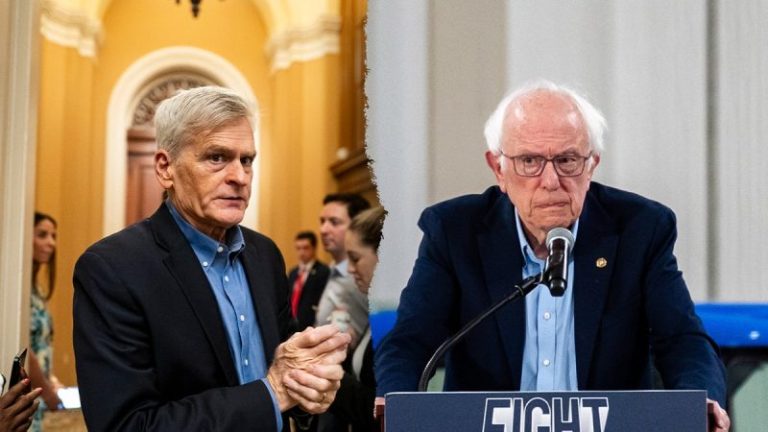
      Senate Healthcare, Education, Labor and Pensions Committee Chair Bill Cassidy, R-La., and the panel’s ranking member, Sen. Bernie Sanders, I-Vt., dove head first into the issues stemming from the firing of CDC Director Susan Monarez, which spurred a string of departures from the agency.

      Monarez was abruptly fired from her position by the Department of Health and Human Services (HHS), less than a month after being confirmed by the Senate. Her removal, which her lawyers rejected, appeared to stem from disagreements over vaccines with HHS Secretary Robert F. Kennedy, Jr., a vaccine skeptic.

      Cassidy was the deciding vote during Kennedy’s confirmation hearing earlier this year.

      Monarez has since refused to leave the post, with her lawyers arguing that she had neither resigned nor been fired and had not received notification from the president of her removal.

      Following news of her ouster, a string of top officials at the CDC announced their resignations, too, including National Center for Emerging and Zoonotic Infectious Diseases Director Dr. Daniel Jernigan, Chief Medical Officer Debra Houry, National Center for Immunization and Respiratory Diseases Director Demetre Daskalakis and Director of Public Health Data, Science, Technology Jennifer Layden.

      In response to their resignations, Cassidy demanded that the federal government’s vaccine advisory panel, which was filled with Kennedy’s handpicked replacements after he recently booted the original panel members, postpone its scheduled meeting in September.

      His demand marks the second time this year that Cassidy called on the panel to halt its meeting, a move that directly bucks Kennedy’s and President Donald Trump’s Make America Healthy Again (MAHA) agenda. 

      Cassidy argued Thursday that there were ‘serious allegations made about the meeting agenda, membership, and lack of scientific process being followed for the now announced September [Advisory Committee on Immunization Practices] meeting.’

      ‘These decisions directly impact children’s health, and the meeting should not occur until significant oversight has been conducted,’ Cassidy said. ‘If the meeting proceeds, any recommendations made should be rejected as lacking legitimacy given the seriousness of the allegations and the current turmoil in CDC leadership.’

      Daskalakis posted his reason for resigning on X, where he charged that he was ‘unable to serve in an environment that treats CDC as a tool to generate policies and materials that do not reflect scientific reality and are designed to hurt rather than to improve the public’s health.’

      Meanwhile, Sanders demanded a congressional investigation be opened into the Trump administration’s decision to fire Monarez.

      ‘We need leaders at the CDC and HHS who are committed to improving public health and have the courage to stand up for science, not officials who have a history of spreading bogus conspiracy theories and disinformation,’ Sanders said Thursday.

      HHS did not immediately respond to a request for comment for this story.  

      This post appeared first on FOX NEWS

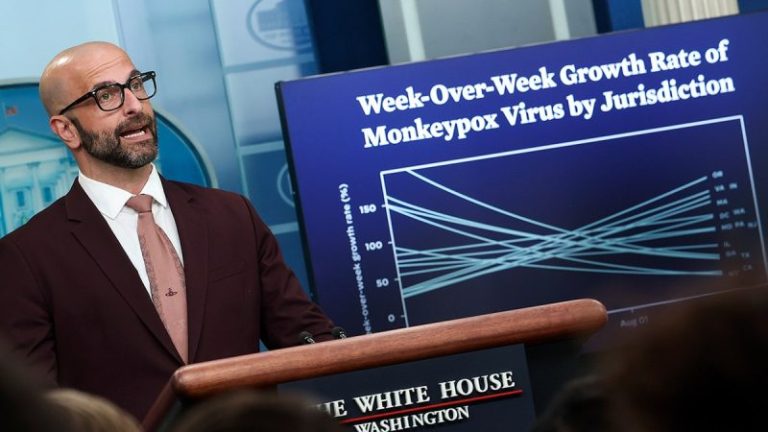
      A Centers for Disease Control and Prevention official who posted his resignation letter on social media used the term ‘pregnant people’ and capped off his missive by including ‘he/his/him’ pronouns after his name.

      ‘I am writing to formally resign from my position as Director of the National Center for Immunization and Respiratory Diseases at the Centers for Disease Control and Prevention (CDC), effective August 28, 2025, close of business,’ Dr. Demetre Daskalakis wrote in the lengthy post on X.

      Daskalakis accused President Donald Trump’s administration of attempting ‘to erase transgender populations.’

      ‘For decades, I have been a trusted voice for the LGBTQ community when it comes to critical health topics. I must also cite the recklessness of the administration in their efforts to erase transgender populations, cease critical domestic and international HIV programming, and terminate key research to support equity as part of my decision,’ he wrote.

      The inclusion of pronouns and the term ‘pregnant people’ caught people’s attention.

      ‘This resignation is a huge win for the Trump administration and the American people. We don’t need anyone who can’t understand basic biology working at the CDC,’ noted Jeremy Redfern, communications director for Florida Attorney General James Uthmeier.

      Karol Markowicz tweeted, ‘No one who uses ‘pregnant people’ should work at the CDC. This isn’t hard.’ 

      Responding to Markowicz’s post, Florida Gov. Ron DeSantis wrote, ‘Example of how ‘trusting the science’ really means following the political science and perpetuating the prevailing narrative…’ He added, ‘Embracing evidence-based medicine should be the bare minimum for working at the CDC…’

      Daskalakis suggested that the Department of Health and Human Services is on a ‘dangerous’ path.

      ‘I am unable to serve in an environment that treats CDC as a tool to generate policies and materials that do not reflect scientific reality and are designed to hurt rather than to improve the public’s health,’ he wrote.

      ‘I wish the CDC continued success in its vital mission and that HHS reverse its dangerous course to dismantle public health as a practice and as an institution. If they continue the current path, they risk our personal well-being and the security of the United States,’ Daskalakis concluded at the end of his message.

      Fox News Digital reached out to HHS for comment on Thursday.

      This post appeared first on FOX NEWS

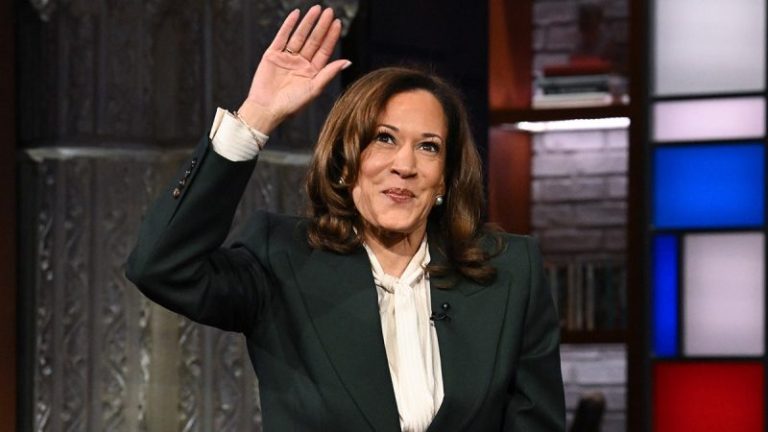
      A spokesperson for Kamala Harris confirmed to Fox News on Friday that the former vice president’s Secret Service protection has been revoked by President Donald Trump.

      The spokesperson added that there was no reason given as to why it was removed.

      A senior White House official told Fox News Digital that vice presidents usually have a Secret Service detail for only six months after departing office.

      A source briefed on the matter also told Fox News that the decision to revoke Harris’ Secret Service protection was made yesterday and that is when the Secret Service was notified.

      Former President Joe Biden signed an executive memorandum before leaving office which extended Harris’ protection for an additional year after the normal six months that former vice presidents received in the past.

      On Thursday, Trump rescinded that memorandum and Harris’ Secret Service protection officially ends on Sept. 1.

      The move comes as Harris is set to kick off a tour for her upcoming book ‘107 Days’ in late September.

      The tour is scheduled to visit major American cities in its opening days, including New York City, Philadelphia and Los Angeles.

      This is a developing story. Please check back for updates.

      This post appeared first on FOX NEWS

      An American energy leader is warning that several progressive ‘green’ environmental groups opposing President Donald Trump’s nuclear energy plans are linked to a ‘web of dark money’ groups with ties to former President Barack Obama and other Democrats.

      Jason Isaac, CEO of the American Energy Institute, warned during an interview with Fox News Digital that while claiming to stand for the planet, these groups ‘have prioritized ideology over innovation’ and are ‘driven by green activists and groups deeply tied to the Democratic Party.’

      ‘You follow the money, you’ll see where it leads. It leads straight to partisan mega-donors, foreign interests, and failed climate crusaders,’ Isaac said. ‘This isn’t about the environment. It’s about political control over America’s energy future and our energy dominance.’

      Isaac’s comments follow Trump’s signing of several executive orders in May to ‘usher in a nuclear renaissance’ by cutting red tape to accelerate advancements in nuclear technologies. In one of the orders, Trump said that ‘abundant energy is a vital national- and economic-security interest’ and ‘in conjunction with domestic fossil fuel production, nuclear energy can liberate America from dependence on geopolitical rivals.’

      However, several environmentalist groups, such as the Union of Concerned Scientists, Nuclear Threat Initiative, Greenpeace, Friends of the Earth, the Sierra Club and several individuals have been critical of Trump’s actions as unscientific.  

      In late July, the Union of Concerned Scientists published a statement lambasting Trump, saying that ‘since the Inauguration, the administration has systematically destroyed federal scientific systems.’

      UCS published a report that claimed the Trump administration is advancing a ‘systematic effort to suppress climate science and dismantle actions to address the climate crisis that will increase costs and suffering, particularly for disadvantaged communities, while boosting fossil fuel pollution and profits.’

      A Fox News Digital review of UCS donors found that the group has received financial support from left-wing donors like the Tides Foundation, whose 2023 U.S. tax return shows it has helped bankroll anti-Israel protests on college campuses, and the Alliance for Global Justice, which in turn is a fiscal sponsor of the Samidoun Palestinian Prisoner Solidarity Network, a group the U.S. Department of the Treasury later designated as ‘a sham charity that serves as an international fundraiser for the Popular Front for the Liberation of Palestine (PFLP) terrorist organization.’ 

      UCS has also received support from the U.S. Energy Foundation, which Fox News Digital previously reported was spun off from the same foundation as the Energy Foundation China.

      Meanwhile, Nuclear Threat Initiative, another group that has been publicly wary of Trump’s nuclear agenda, was co-founded by Ted Turner, who once urged other countries to adopt China’s one-child policy, and led by CEO Ernest Moniz, who was secretary of energy under Obama.

      Other Nuclear Threat Initiative leaders have links to Democratic causes through political contributions, such as the group’s president, Joan Rohlfing, who donated to former President Joe Biden and former Vice President Kamala Harris, its vice president, Scott Roecker, who has donated to the Democratic National Committee, and its senior director, Nickolas Roth, who donated to Biden. 

      A spokesperson for NTI told Fox News Digital that the organization ‘actively supports the rapid expansion of safe, secure, and cost-effective nuclear energy through the Nuclear Scaling Initiative (NSI), in partnership with the Clean Air Task Force and the EFI Foundation.’

      ‘NSI’s goal is to enable the scaling of more than 50 gigawatts of nuclear capacity annually across the globe by the 2030s—advancing climate goals, energy security, nonproliferation, and economic development.’

      The spokesperson added that NTI is a ‘nonprofit, nonpartisan global security organization’ while pointing to a New York Post letter to the editor from Roecker pushing back on allegations of bias. 

      Another group, Friends of the Earth, which has actively urged the world to ‘reject’ Trump, has a history of far-left endorsements and contributions. In 2020, Friends of the Earth endorsed Black Lives Matter and called for defunding the police. The group has also endorsed the Green New Deal and said the U.S. must ‘provide finance for people in developing countries commensurate with what science and justice demand.’

      During the 2020 election, Friends of the Earth Action endorsed Sen. Bernie Sanders, I-Vt., and Sen. Elizabeth Warren, D-Mass., for the Democratic presidential nomination. In 2024, the group endorsed Harris for president.

      Since 2015, Friends of the Earth Action PAC has donated thousands to Democratic or progressive candidates and causes, according to data gathered by OpenSecrets.

      For its part, the Sierra Club, which routinely pushes back against Trump on its social media account, has had an even more extensive history of advancing progressive causes.

      In 2020, the Sierra Club supported defunding the police, saying, ‘The problems with policing can’t be solved through piecemeal reforms or getting rid of ‘a few bad apples.’’

      The group also endorsed the Green New Deal, calling it a ‘big, bold transformation of the economy to tackle the twin crises of inequality and climate change.’

      It has also said it is ‘committed to being an anti-racist organization.’ In 2020, the group even condemned its founder, naturalist John Muir, for using racist language in the 1800s, saying it was ‘time to take down some of our own monuments.’

      The Sierra Club Foundation has, in turn, received significant support from George Soros’ Open Society Foundations, left-wing Swiss megadonor Hansjorg Wyss’s Wyss Foundation, and The Climate Imperative Foundation, which infamously pushed the Biden administration’s move to ban gas stoves.

      Greenpeace, which is well known for its dramatic climate protests, including boarding an oil vessel, has been a vocal critic of Trump for years, accusing the president of ‘defying science.’

      Greenpeace has received support from New Venture Fund, whose website states that its day-to-day operations are managed in part by Arabella Advisors, the behemoth philanthropy services firm that also manages left-wing ‘dark money’ funds. According to a 2017 tax filing, Greenpeace has also received funding from the Silicon Valley Community Foundation, which in turn receives funding from Mark Zuckerberg, Reed Hastings, and Jack Dorsey.

      In 2020, Greenpeace touted that a staff member was involved in creating a ‘Vision for Black Lives’ platform and fully endorsed the program that called for reparations and a ‘guaranteed minimum livable income for all Black people.’ The program also supported cutting funding from law enforcement and decriminalizing ‘all drug-related offenses and prostitution.’

      The group has provided funding to progressive state committees like the Colorado League of Responsible Voters, Colorado Rising for Health & Safety, and Democratic candidates and causes.

      Speaking with Fox News Digital, Isaac described the groups opposing Trump’s nuclear push as a ‘whole web of dark money-funded partisan and foreign-tied organizations.’

      I don’t think they want to solve the problem,’ he said, adding, ‘these groups are about control, they’re about driving the cost of energy up and driving access to energy down so they can control the narrative and control every aspect of our lives.’

      Will Hild, executive director of Consumers’ Research, told Fox News Digital, ‘the reality is the green agenda is a hodgepodge of anti-human activists who have adopted the green agenda as their religion, coupled with megalomaniacs and political operatives exploiting climate issues to push a broader ideological agenda.’

      ‘What we have seen for years is so-called ‘green’ groups pushing an anti-nuclear agenda that defies science, common sense, and the interests of the American people,’ he said.

      NTI has been publicly wary of Trump’s nuclear expansion, while UCS, Friends of the Earth, the Sierra Club and Greenpeace have been heavily critical of the administration’s actions on environmental issues more generally. 

      ‘Nuclear energy is statistically the safest, cleanest, and most reliable source of power we have, yet the left is doing everything they can to shut it down,’ Hild went on. He criticized these ‘activist groups’ for ‘the damage they’re doing to our economy, our security, and our future in pursuit of an extreme climate ideology.’

      Steve Milloy, who is a senior policy fellow at the Energy and Environment Institute and served on Trump’s 2016 transition team for the Environmental Protection Agency, also chimed in, calling the current moment ‘a critical turning point for the future of energy.’

      ‘For decades, radical environmental groups have tried to block nuclear energy, despite its unmatched record for safety and reliability,’ he said. ‘By championing nuclear power, the President is putting science, technology, and common sense ahead of the outdated, anti-energy green agenda pushed by the Left.’

      Fox News Digital also reached out to the Sierra Club, Greenpeace, Friends of the Earth, and UCS for comment but did not receive a response.

      This post appeared first on FOX NEWS